Throttle Buff is reader-supported: we may earn a commission when you buy through links on this page. Read our affiliate disclosure.
How we chose: this guide is research-based, built from manufacturer specifications, safety certifications and owner feedback rather than hands-on testing. How we research.
The best motorcycle armor upgrade for most riders is swapping the basic pads in your jacket for Level 2 inserts like the Alpinestars Nucleon Flex Pro shoulder and elbow protectors, and adding knee armor such as the Icon D3O Ghost Level 2 to your pants. Riders who wear regular clothes on short trips can get protection from an armored base layer like the Icon Field Armor shirt.
Quick picks
-
-
-
Best knee and elbow armor
- Area
- Elbow / knee
- Type
- Insert
- Price
- $
-
- Best universal armor: REV’IT! Seesmart RV30
- Best Forcefield upgrade: Forcefield Isolator 1 Shoulder
- Best chest protector: REV’IT! Seesoft Divided Chest Protector
- Best armored base layer: Icon Field Armor Compression Shirt
Armor is what absorbs the impact in a crash; your jacket’s fabric handles the slide. We picked current 2026 CE-certified inserts and armored layers and replaced the older armor from our previous list. For back protection, see our separate guide to the best motorcycle back protectors.
Motorcycle armor compared
| Armor | Area | Type | Price |
|---|---|---|---|
| Alpinestars Nucleon Flex Pro | Shoulder | Insert | $ |
| Alpinestars Nucleon Flex Pro | Elbow | Insert | $ |
| Icon D3O Ghost Level 2 | Elbow / knee | Insert | $ |
| Icon D3O LP2 | Knee | Insert | $ |
| REV’IT! Seesmart RV30 | Shoulder / elbow / knee | Insert | $ |
| Forcefield Isolator 1 | Shoulder | Insert | $ |
| REV’IT! Seesoft Divided Chest | Chest | Insert | $ |
| Icon Field Armor shirt | Upper body | Base layer | $$ |
Armor shapes and sizes vary, so check that an insert fits your jacket or pants pocket before you buy.
The best motorcycle armor for 2026
1. Alpinestars Nucleon Flex Pro Shoulder Protector: best shoulder armor
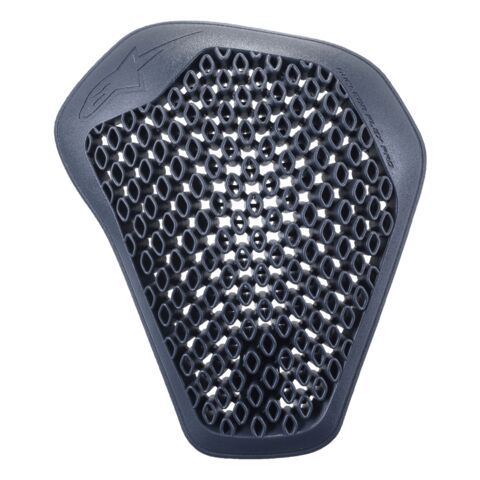
The Nucleon Flex Pro is Alpinestars’ flexible, CE-certified shoulder insert. It is a direct upgrade for Alpinestars jackets and fits many others.
Pros
- Flexible and comfortable
- CE certified
- Perfect fit in Alpinestars jackets
Cons
- Check fit in other brands
2. Alpinestars Nucleon Flex Pro Elbow Armor: best elbow armor
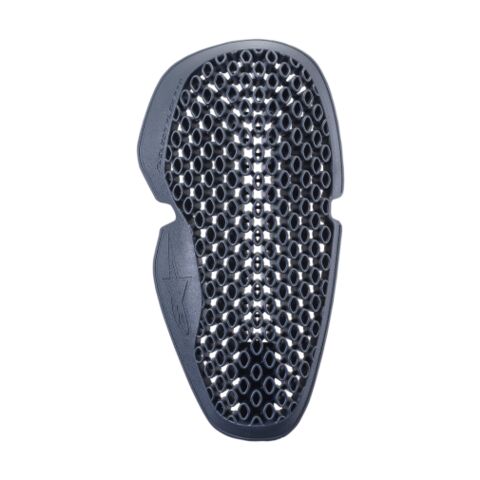
The matching elbow insert. Swap it in for the basic pads many jackets come with.
Pros
- Flexible
- CE certified
- Low price
Cons
- Check pocket size
3. Icon D3O Ghost Level 2 Elbow/Knee Armor: best knee and elbow armor

The Ghost uses D3O, which stays soft until an impact, and is certified to Level 2. It fits many elbow and knee pockets.
Pros
- Level 2
- Soft and flexible
- Fits knee or elbow
Cons
- Generic shape
4. Icon D3O LP2 Knee Armor: best low-profile knee armor
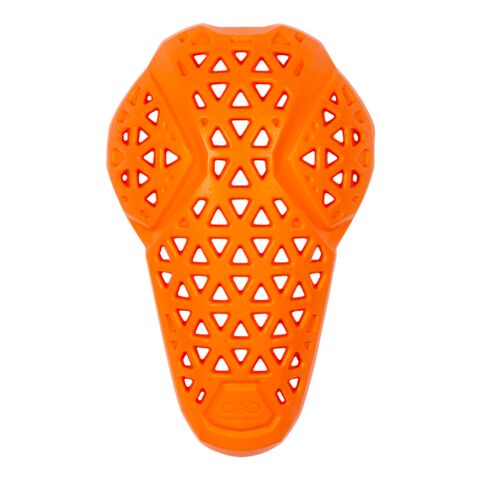
A thin, low-profile D3O knee insert that suits riding jeans, where bulky armor is uncomfortable. See our best motorcycle jeans for AAA-rated jeans with armor included, or our riding pants for jeans with armor pockets.
Pros
- Thin profile
- Comfortable in jeans
- D3O material
Cons
- Smaller coverage
5. REV’IT! Seesmart RV30: best universal armor

REV’IT!’s Seesmart inserts are designed to fit shoulder, elbow and knee pockets, which makes them a flexible upgrade for REV’IT! gear and many other brands.
Pros
- Fits multiple areas
- Flexible
- Good value
Cons
- Check level and pocket fit
6. Forcefield Isolator 1 Replacement Shoulder Armor: best Forcefield upgrade
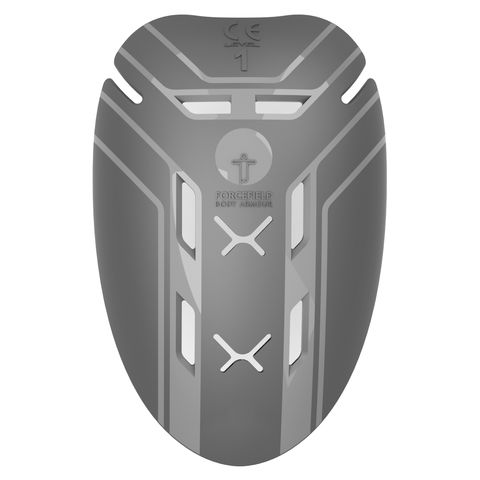
Forcefield is a specialist armor maker. The Isolator shoulder inserts are a popular upgrade for touring jackets.
Pros
- Specialist brand
- Comfortable
- Good coverage
Cons
- Check fitment
7. REV’IT! Seesoft Divided Chest Protector: best chest protector
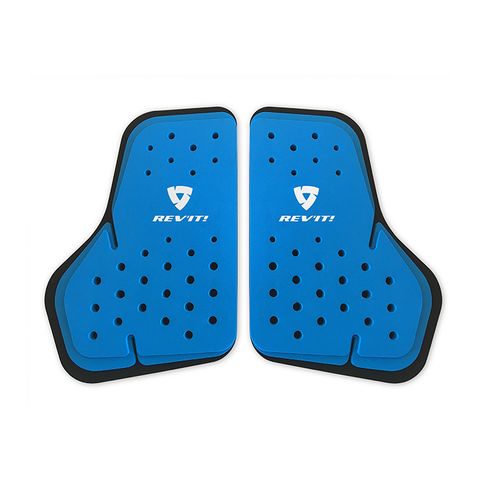
Chest protection is often missing from jackets. This divided insert fits REV’IT! jackets with chest pockets and protects your ribs and sternum.
Pros
- Adds chest protection
- Divided for jacket zips
- Light
Cons
- Needs a jacket with chest pockets
8. Icon Field Armor Compression Shirt: best armored base layer

An armored compression shirt keeps armor in place under any jacket, including casual ones. It is handy for riders who prefer non-motorcycle outerwear on short rides.
Pros
- Works under any jacket
- Armor stays in place
- Easy to wear
Cons
- Warm
- No abrasion protection on its own
How to choose motorcycle armor
CE Level 1 vs Level 2
Limb armor is tested to EN 1621-1. Level 2 armor transmits less force than Level 1, so it protects more. Modern Level 2 inserts are thin and flexible enough for everyday riding.
Coverage areas
The essentials are shoulders, elbows, back, hips and knees. Add chest protection or an airbag vest for more. Off-road riders who want ligament support, not just impact padding, should look at motocross knee braces, including entry-level picks.
Fit
Armor only works if it stays over the joint. Check your jacket and pants pockets and adjust straps so armor doesn’t slide.
FAQ
What is the best motorcycle armor material?
Viscoelastic materials like D3O and Alpinestars Nucleon stay flexible and harden on impact. They are more comfortable than hard plastic armor.
Should I upgrade the armor in my jacket?
If your jacket came with Level 1 or foam pads, upgrading to Level 2 inserts is cheap and worthwhile.
Do I need hip armor?
Hips often hit the ground in a crash. Many pants have hip pockets; add hip armor if yours are empty.
How often should I replace armor?
After a crash or if it shows damage. Check the maker’s guidance.
If you ride in regular clothes, see our picks for knee pads that fit under jeans and armored shorts, which add hip and tailbone cover under any pants.
Verdict
Upgrade to Level 2 inserts like the Alpinestars Nucleon Flex Pro and Icon D3O Ghost, add a back protector, and you’ve made the most cost-effective safety upgrade there is. Need new gear to put it in? See our best motorcycle jackets.
Browse all our riding gear guides.