Throttle Buff is reader-supported: we may earn a commission when you buy through links on this page. Read our affiliate disclosure.
How we chose: this guide is research-based, built from manufacturer specifications, safety certifications and owner feedback rather than hands-on testing. How we research.
The best kids’ motorcycle helmet depends on how your child rides. For street riding or as a passenger, the HJC Youth Y10 is a well-equipped youth full-face with a Pinlock-ready shield and front-to-back ventilation. For dirt bikes, the Alpinestars Youth SM3 is the premium pick (adult riders, see our best dirt bike helmets), engineered specifically for young riders with three shell sizes, and the Answer AR1 is a DOT and ECE certified budget option. Whatever you buy, get a youth helmet that fits now, not one to grow into.
Quick picks
-
Best for street and passengers
- Type
- Street full-face
- Shell
- Advanced polycarbonate compound
- Listed price
- $119.99
-
Best premium dirt helmet
- Type
- MX / off-road
- Shell
- Thermo-injected; 3 shell sizes
- Listed price
- $229.95
-
Best budget certified dirt helmet
- Type
- MX / off-road
- Shell
- Injection-molded ABS
- Listed price
- $99.99
-
Best value dirt helmet
- Type
- MX / off-road
- Shell
- Injection-molded ABS
- Listed price
- $109.99
- Best for ventilation: Thor Youth Fleet
- Best budget dirt helmet with visor: HJC Youth CL-XY 2
Kids’ motorcycle helmets compared
| Helmet | Type | Shell | Certification (as listed) | Listed price |
|---|---|---|---|---|
| HJC Youth Y10 | Street full-face | Advanced polycarbonate compound | Check listing | $119.99 |
| Alpinestars Youth SM3 | MX / off-road | Thermo-injected; 3 shell sizes | DOT and ECE versions | $229.95 |
| Answer Youth AR1 | MX / off-road | Injection-molded ABS | DOT and ECE 22.05 | $99.99 |
| BILT Youth AX-1 EVO | MX / off-road | Injection-molded ABS | Check listing | $109.99 |
| Thor Youth Fleet | MX / off-road | Polycarbonate / ABS | Check listing | Check listing |
| HJC Youth CL-XY 2 | MX / off-road | Advanced polycarbonate composite | DOT | Check listing |
Details and prices are from RevZilla’s listings at the time of writing.
Why kids need a proper youth helmet
Children’s heads are smaller and lighter, and a too-big adult helmet can shift or come off in a crash. Youth helmets come in youth sizes and are often lighter, which matters for a child’s neck. Never buy a helmet “to grow into”: it should fit snugly today. The NHTSA explains how to check that a helmet meets DOT standards, and check your local laws on minimum passenger ages.
The best kids’ motorcycle helmets
1. HJC Youth Y10: best for street and passengers
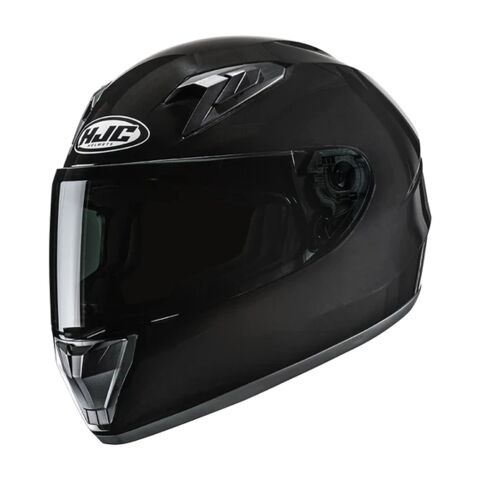
The Y10 is a youth full-face helmet with a wind-tunnel-tested advanced polycarbonate compound shell. It comes with a clear Pinlock-ready HJ-50 shield (lens sold separately) with 99% UV protection and an anti-scratch coating. HJC’s ACS ventilation uses three intakes and one exhaust, and a breath deflector and chin curtain come installed. The moisture-wicking interior is removable and washable.
Who it’s for: young passengers and kids riding small street bikes.

The SM3 Youth is engineered and profiled specifically for younger riders, borrowing technology from Alpinestars’ adult helmets for MX, enduro and off-road use. It has a thermo-injected shell in three shell sizes and weighs 1,060 g in the ECE version and 1,170 g in the DOT version, where a composite fiber inner shell adds impact protection. Fit can be tailored with replacement liners and cheek pads.
Who it’s for: young racers and regular trail riders.
3. Answer Youth AR1: best budget certified dirt helmet

Answer calls the AR1 its best-value helmet, and it’s certified to both DOT and ECE 22.05. It has an injection-molded ABS shell, a sculpted dual-density EPS liner, two large front intakes and four rear exhausts, a removable moisture-wicking liner and a flexible nose piece to deflect roost. RevZilla lists it at $99.99.
Who it’s for: families who want dual certification on a budget.
4. BILT Youth AX-1 EVO: best value dirt helmet

The AX-1 EVO combines an injection-molded ABS shell with a dual-density EPS liner, six intakes and four exhausts and a breakaway peak designed to block sun and reduce lift at speed. The large eye port fits most MX goggles. RevZilla lists it at $109.99.
Who it’s for: kids starting out on trail bikes.
5. Thor Youth Fleet: best for ventilation

The Fleet is lightweight so young riders stay agile, with a polycarbonate/ABS shell, a dual-density EPS liner and Thor’s Energy Reduction Technology, designed to help mitigate linear and rotational impact energy. It has 13 intake and exhaust vents, a flexible peak and a removable, washable liner, with a D-ring strap.
Who it’s for: kids riding in hot weather.
6. HJC Youth CL-XY 2: best budget dirt helmet with visor
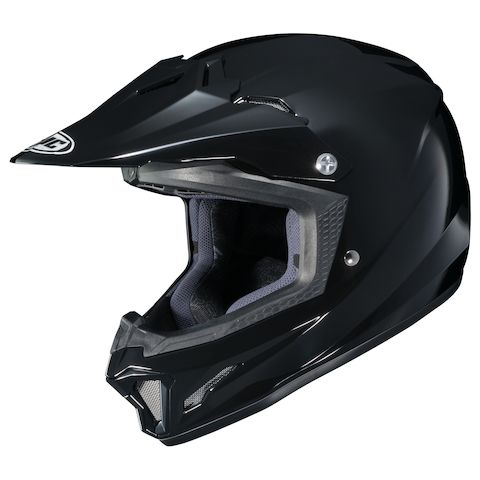
The CL-XY 2 has an advanced polycarbonate composite shell, a large eye port, an adjustable visor and HJC’s flow-through ventilation, with a removable, washable Nylex interior. It’s DOT approved and has 17 owner reviews on RevZilla.
Who it’s for: younger kids on small dirt bikes and ATVs.
What makes a motorcycle helmet kid friendly?
A kid-friendly helmet is one your child will wear correctly every ride. Look for these points before you look at graphics:
- True youth sizing. A youth-specific shell, or several shell sizes like the Alpinestars Youth SM3’s three, keeps the helmet small and light on a small neck.
- A strap you can check at a glance. Whatever the buckle, you should be able to see that it is done up and snug under the chin before every ride.
- A face shield for the street. A street full-face like the HJC Youth Y10 keeps wind, bugs and grit off a passenger’s face without goggles.
- A listed safety certification. Check the listing for DOT or ECE marks, as on the Answer Youth AR1, rather than buying an uncertified toy-style helmet.
- A liner you can take out. Kids sweat, and a removable, washable liner keeps the helmet pleasant to put on.
The most kid-friendly helmet is the one that fits today. Buying a size up “to grow into” makes any helmet unsafe.
How to fit a helmet to a child
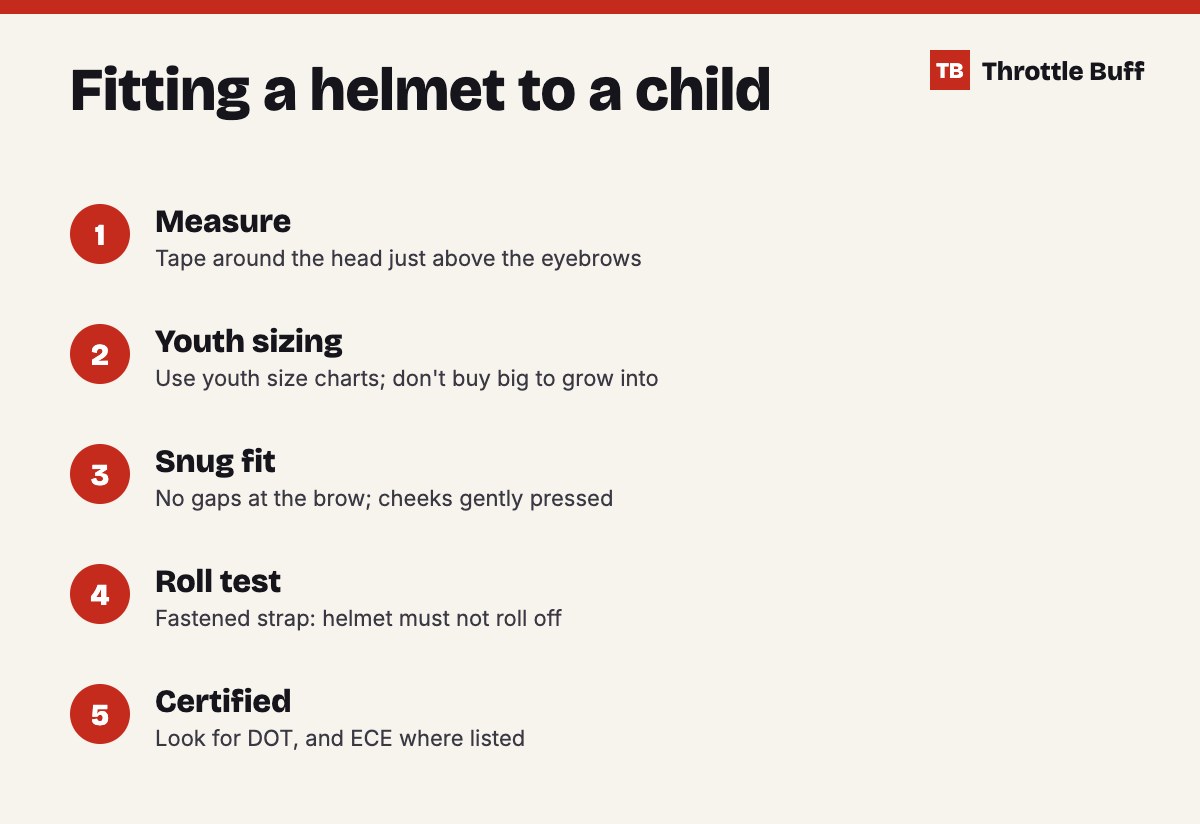
- Measure around the head just above the eyebrows and ears.
- Use the maker’s youth size chart; sizes vary between brands.
- The helmet should sit level, just above the eyebrows, with cheek pads gently pressing the cheeks.
- With the strap fastened, try to roll the helmet forward and back. It shouldn’t come off.
- Recheck fit regularly as your child grows.
Other gear for young riders
Helmets are just the start. Kids need goggles for dirt helmets, gloves, boots and body armor. See our guides to the best motorcycle armor, best motocross pants and beginner gear. For adult passengers, see the best passenger helmets, and for an overview of helmet styles, read types of motorcycle helmets. The Motorcycle Safety Foundation offers youth dirt bike training in some areas.
Related guides: motocross knee braces and Scorpion helmets.
Teen moving up to adult sizes? See the best beginner motorcycle helmets for affordable first full-faces.
FAQ
What size motorcycle helmet does my child need?
Measure their head circumference and use the brand’s youth size chart. A good fit is snug with no gaps.
Can a child wear an adult helmet?
Only if it fits properly, which is rare for younger children. Youth helmets are made for smaller heads.
Are dirt bike helmets OK for the street?
Many MX helmets are DOT certified, but they don’t have a face shield, so riders need goggles. A street full-face is usually better for passengers.
What is the most kid-friendly motorcycle helmet?
For street riding and passengers, the HJC Youth Y10 is our pick: it is a youth street full-face with a face shield, so no goggles are needed. For dirt bikes, the Answer Youth AR1 is the budget pick with DOT and ECE certification. Either way, fit matters more than the brand.
How often should a kids’ helmet be replaced?
After any crash or impact, when it no longer fits, and when it reaches the end of its service life.
Related reading: how to get your kids riding.
Verdict
For street riding and passengers, the HJC Youth Y10 is the best kids’ motorcycle helmet. For dirt bikes, the Alpinestars Youth SM3 is the premium choice and the Answer Youth AR1 is the best budget option with DOT and ECE certification. Always fit the helmet to your child today.
Browse all our helmet guides.